


E-Scooters
Electric Scooter Displays: Why You Need One
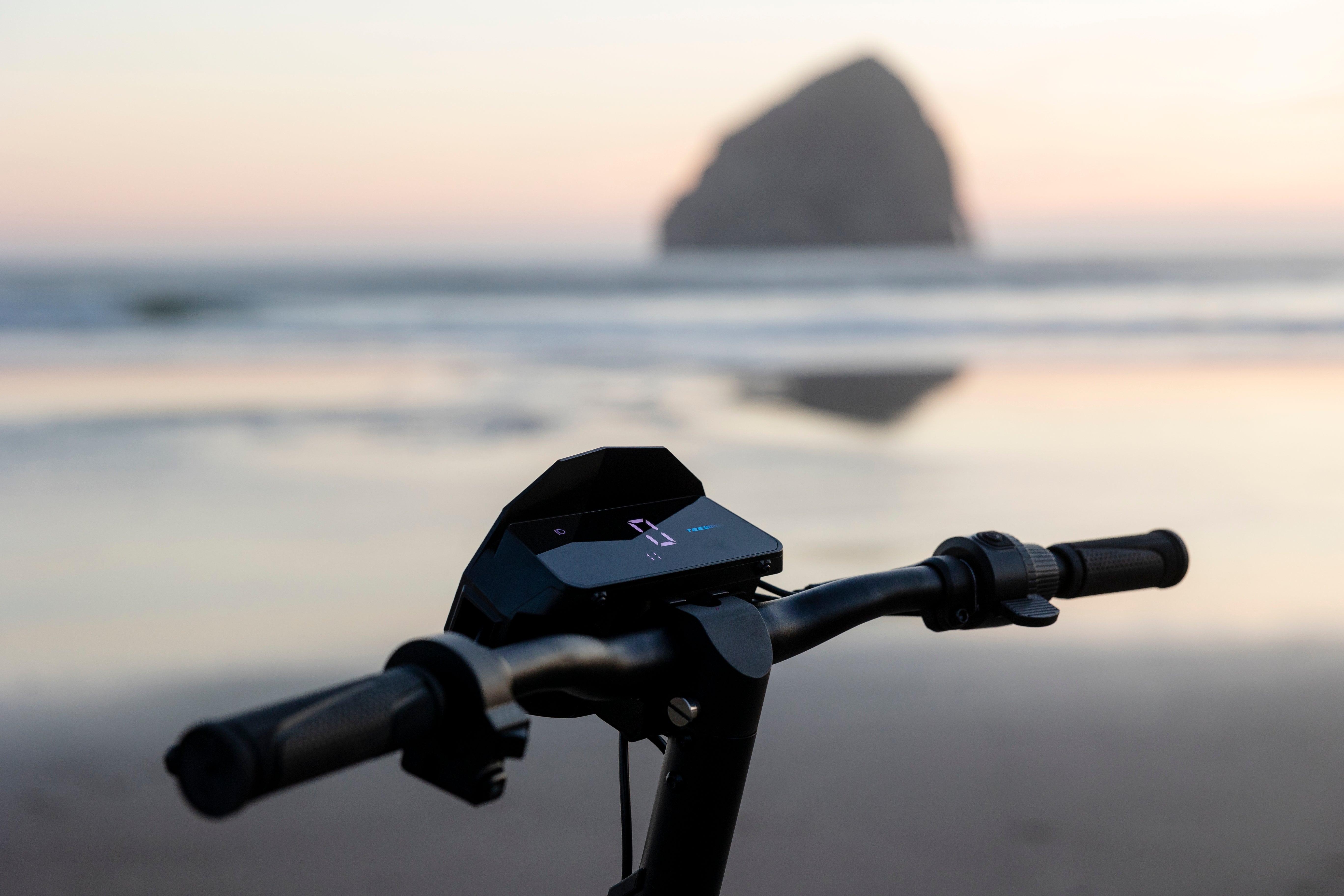
An electric scooter display is more than just a screen—it’s your control center on the go. Whether it’s an LCD display or an LED display, having a well-designed interface helps riders monitor speed, battery life, and ride settings with ease. Let’s explore the importance of electric scooter displays, the types available, and what to consider when choosing one.
Why an Electric Scooter Display Matters
A display screen on an electric scooter enhances both convenience and safety. Here’s why:
Speed Monitoring – Check your current speed to ensure safe riding.
Battery Status – Keep track of your charge level to avoid running out of power mid-ride.
Mileage Tracking – Some displays show trip distance and total mileage.
Ride Mode Selection – Adjust speed settings or switch between eco and sport modes.
Lighting & Indicators – Control headlights, turn signals, and other features.
Types of Electric Scooter Displays
1. LCD Displays
An electric scooter LCD display provides a crisp and clear readout, usually featuring:
Digital speedometer
Battery percentage indicator
Ride mode selection
Backlit screen for night visibility
2. LED Displays
An electric scooter LED display is often simpler but still effective. Common features include:
Bright and easy-to-read interface
Battery level indicators
Minimalist design for a sleek look
3. Smart Displays with App Connectivity
Some high-end scooters feature smart displays that sync with a mobile app, allowing riders to:
Track ride data via Bluetooth
Customize ride settings
Receive maintenance alerts
Choosing an Electric Scooter with a Display Screen
When selecting an electric scooter with a display screen, consider factors like brightness, readability in sunlight, and touchscreen capabilities. A high-quality electric scooter with an LCD display or an advanced LED screen ensures a smoother and safer riding experience.
Final Thoughts
An electric scooter display is essential for staying informed and in control while riding. Whether you prefer an LCD display for detailed stats or an LED display for simplicity, having a screen enhances safety and convenience. Choose an electric scooter with a display screen that meets your riding needs and enjoy a smarter, more connected ride!
Apr 17, 2025
E-Scooters
Electric Scooter History: Who Invented It & When It Was First Made
Electric scooters have become a staple in modern urban transportation, but their history dates back over a century. This article delves into the origins of electric scooters, highlighting key inventors and milestones that have shaped their evolution.
The Birth of the Motorized Scooter: The Autoped
In 1913, inventor Arthur Hugo Cecil Gibson filed a patent for a "Self-Propelled Vehicle," which would later be known as the Autoped. Manufactured between 1915 and 1919 in the United States, and subsequently in Germany by Krupp from 1919 to 1922, the Autoped featured a collapsible steering rod for easy storage and transportation. Notably, some versions of the Autoped were equipped with electric motors, making them among the earliest electric scooters.
Early Electric Scooter Innovations
While the Autoped was a significant milestone, other inventors also contributed to the development of electric scooters. For instance, physicist Elmer R. Johnson is credited with inventing an electric scooter in the early 1900s, with his design emerging around 1915. These early innovations laid the groundwork for the diverse range of electric scooters available today.
The Modern Kick Scooter Revival
In the 1990s, Swiss banker Wim Ouboter reinvented the kick scooter to address his need for a convenient mode of transportation over short distances. His design led to the creation of the modern portable lightweight kick scooter, which gained popularity worldwide and influenced the development of contemporary electric scooters.
The Segway and Advancements in Personal Transport
In 2001, inventor Dean Kamen introduced the Segway, a two-wheeled, self-balancing personal transporter. Utilizing gyroscopic sensors and electric motors, the Segway represented a significant advancement in personal electric transportation, despite facing market challenges.
Conclusion
From the early 20th-century Autoped to modern electric scooters, the evolution of electric scooters reflects ongoing innovation in personal transportation. Understanding this history provides insight into the technological advancements that have made electric scooters a prevalent mode of urban mobility today.
Apr 17, 2025

Buying Guide
Electric Scooter Weight and Load Limits: What You Need to Know
When selecting an electric scooter, understanding both its weight and load capacity is crucial. These factors influence portability, performance, and safety. Whether you're seeking a lightweight model for easy transport or a heavy-duty scooter to support a higher weight, this guide will help you make an informed choice.
Understanding Scooter Weight
Electric scooter weight varies based on design, materials and features:
Lightweight Models: Approximately 13–15 kg (29–33 lbs), ideal for portability and easy storage.
Mid-Range Scooters: Around 20–25 kg (44–55 lbs), offering a balance between performance and portability.
Heavy-Duty Scooters: Up to 31 kg (70 lbs) or more, built for durability and higher performance.
Knowing your electric scooter weight capacity helps you choose the right model and plan accordingly. For those prioritizing portability, explore our Lightweight and Portable Electric Scooters collection.
Load Capacity: How Much Weight Can a Scooter Hold?
The electric scooter weight capacity determines the maximum load it can safely support:
Standard Capacity: Most scooters support up to 100 kg (220 lbs), suitable for average riders.
High Capacity: Some models are designed to support riders up to 120 kg (265 lbs) or more, catering to heavier individuals .
Exceeding the recommended electric scooter weight limit can affect both performance and rider safety, including reduced braking efficiency, increased motor strain and faster tire wear.
For scooters designed to accommodate heavier riders, check out our Scooters for Heavy Riders collection.
What Are the Factors Influencing Weight and Load Limits
Several elements affect a scooter's weight and its load-bearing capacity:
Frame Material: Aluminum frames are lightweight, while steel frames offer higher strength.
Motor and Battery Size: Larger motors and batteries increase weight but enhance performance.
Suspension and Tires: Advanced suspension systems and larger tires add weight but improve ride comfort.
Design Features: Foldable designs and additional features can influence both weight and load capacity.
Choosing the Right Scooter for Your Needs
Consider your specific requirements when selecting a scooter:
For Portability: If you need to carry your scooter frequently, opt for lightweight models.
For Higher Load Capacity: Choose an electric scooter with high weight capacity to ensure safety and consistent performance at your body weight.
For Balanced Performance: Mid-range scooters offer a compromise between weight and load capacity, suitable for most riders.
Explore our curated collections to find the perfect scooter:
Lightweight and Portable Electric Scooters
Scooters for Heavy Riders
Understanding the electric scooter weight limit and load capacity of any model you consider is essential for safety and optimal performance. Choose a scooter that genuinely aligns with your needs and you'll enjoy a reliable, comfortable ride every time.
FAQs
How much does an electric scooter weigh?
Electric scooter weight typically ranges from 13 kg to 31 kg (29–70 lbs), depending on the category. Lightweight commuter models sit at the lower end, around 13–15 kg, while heavy-duty scooters built for performance and higher load capacity can exceed 30 kg. Checking the electric scooter weight before purchase is important to ensure you choose the right model.
How much weight can an electric scooter hold?
Most electric scooters have a weight capacity of 100 kg (220 lbs), though high-weight capacity models can support 120 kg (265 lbs) or more. The right electric scooter weight capacity for you depends on your body weight plus any additional load you regularly carry, such as a backpack or groceries. Always check the manufacturer's stated limit and choose a model accordingly.
What happens if you exceed the weight limit on an electric scooter?
Exceeding the electric scooter weight limit puts stress on the motor, frame, brakes and tires, reducing performance and increasing the risk of mechanical failure. Over time, consistent overloading can cause structural damage. Always ride within the stated electric scooter weight capacity to protect both yourself and your scooter.
What is the best electric scooter for heavy adults?
The best electric scooter for heavy adults is one with a high weight capacity, ideally rated at 120 kg (265 lbs) or above. These scooters should also have a robust steel or reinforced aluminum frame and a powerful motor. Electric scooters with high weight capacity are specifically engineered to maintain safe handling and consistent performance for heavier riders. Browse our Scooters for Heavy Riders collection for curated options.
Apr 17, 2025

E-Scooters
Electric Scooter Health Benefits: Burn Calories, Boost Wellness and Stay Active
Electric scooters aren't just a fun and eco-friendly way to get around, they offer genuine electric scooter health benefits, too. Whether you're commuting, running errands, or exploring your neighborhood, riding an e-scooter can contribute to your physical and mental well-being. So, is riding an electric scooter good exercise? The answer is more nuanced than a simple yes-or-no, let's break down the electric scooter benefits that go beyond convenience.
1. Burn Calories While You Ride
You might be surprised to learn that riding an electric scooter can help you burn calories. A person weighing around 150 pounds can burn approximately 100–140 calories per hour while riding an e-scooter. While this isn't as intense as some workouts, it's a meaningful improvement over sedentary activities like driving and it answers one of the most common questions people ask: Can you lose weight riding an electric scooter? On its own, riding an e-scooter does not significantly burn calories, but when it is part of a broader active routine, the calorie burn adds up.
2. Improve Balance and Core Strength
Maintaining balance on an e-scooter engages your core muscles and enhances coordination. Regular riding can strengthen your abdominal and lower back muscles, which contribute to better posture and stability over time and is a lesser-known entry on the list of electric scooter health benefits.
3. Enhance Mental Well-Being
Riding an electric scooter can have positive effects on your mental health. Riding outdoors, experiencing fresh air and engaging with your surroundings can reduce stress and improve your mood. Incorporating e-scooter rides into your routine is a simple, low-barrier way to boost overall happiness, one of the most overlooked electric scooter benefits for daily commuters.
4. Promote Active Transportation
Choosing an electric scooter over a car for short trips encourages a more active lifestyle. Even though e-scooters are motorized, they still require physical engagement, especially when starting, stopping and navigating turns. This low-impact activity is part of why many people ask whether riding an electric scooter is good exercise: it's not a substitute for a workout, but it does increase daily movement without demanding a high-intensity routine.
5. Support Weight Management Goals
While riding an e-scooter alone isn't a weight-loss solution, it can meaningfully complement other physical activities. By incorporating scooter rides into your daily routine, you increase your overall activity level, which supports weight management and cardiovascular health over time. This is the most direct answer to whether you can lose weight riding an electric scooter: it works best as a consistent habit layered on top of other movement, not as a standalone fitness plan.
Final Thoughts
Incorporating electric scooter rides into your daily life offers more than just convenience—it contributes to your physical and mental health. From burning calories to enhancing mood, the health benefits of electric scooters add up in ways that are easy to overlook until you start riding regularly. In short, e-scooters offer a fun, accessible way to stay active without the commitment of a structured workout.
FAQs
Does riding an electric scooter burn calories?
Yes. A 150-pound rider burns approximately 100–140 calories per hour while riding an e-scooter. It's not an intense workout, but it's a meaningful step up from sedentary commuting like driving, one of the clearer electric scooter benefits for anyone looking to add light activity to their day.
How many hours can you ride an electric scooter?
This depends primarily on battery range and rider stamina rather than any fixed limit. Most riders comfortably manage 30–60 minute sessions for commuting or leisure, though scooters with longer-range batteries support extended rides of several hours across multiple stops. For health benefits specifically, even shorter, consistent daily rides contribute more over time than occasional long sessions.
What are electric scooters good for?
Beyond being convenient and eco-friendly, e-scooters offer real health benefits, including calorie burn, improved balance and core engagement, stress reduction and support for an overall more active lifestyle. They're especially useful for short trips that would otherwise be driven, making them a practical way to build more movement into a daily routine.
Apr 17, 2025
E-Scooters
What Makes a Good Electric Scooter? Key Specs & Features
Electric scooters have become a popular mode of transportation for urban commuters and recreational riders alike. But with so many models on the market, what exactly makes a good electric scooter? Understanding the key specifications and features can help you choose the right scooter for your needs.
1. Motor Power: The Driving Force
The motor is the heart of an electric scooter, determining its speed and ability to tackle inclines. Most adult scooters feature motors ranging from 250W to 1000W. A 350W motor is suitable for flat terrains and lighter riders, while a 500W or higher motor offers better performance on hills and for heavier users.
2. Battery Capacity: Range Matters
Battery capacity, measured in watt-hours (Wh), directly affects how far you can travel on a single charge. Standard scooters come with batteries around 250Wh, providing approximately 10 miles of range. High-performance models boast batteries exceeding 1000Wh, allowing for ranges up to 60 miles.
3. Speed and Riding Modes
Top speed varies among scooters, typically ranging from 15 to 30 mph. Many models offer multiple riding modes—such as Eco, Normal, and Sport—to balance speed and battery efficiency. These modes allow riders to customize their experience based on their preferences and riding conditions.
4. Build Quality and Weight
A scooter's construction impacts its durability and portability. Lightweight models (under 30 lbs) are easier to carry and store but may sacrifice some stability. Heavier scooters often provide a sturdier ride and higher weight capacity, accommodating riders up to 265 lbs or more.
5. Braking Systems
Effective braking is crucial for safety. Common braking systems include:
Disc Brakes: Offer strong stopping power and are reliable in various conditions.
Regenerative Brakes: Convert kinetic energy back into battery power, extending range.
Drum Brakes: Require less maintenance and perform well in wet conditions.
Some scooters combine multiple braking systems for enhanced safety.
6. Tires and Suspension
Tire type and suspension affect ride comfort and handling:
Pneumatic (Air-Filled) Tires: Provide better shock absorption but may be prone to flats.
Solid Tires: Are maintenance-free but offer a rougher ride.
Suspension Systems: Front and/or rear suspension smooth out rides over uneven terrain, enhancing comfort.
7. Additional Features
Modern electric scooters come equipped with various features to enhance usability:
LED Displays: Show speed, battery level, and riding mode.
Lighting: Front and rear lights improve visibility and safety during night rides.
Smart Connectivity: Bluetooth and app integration allow for firmware updates and ride tracking.
Water Resistance: Ratings like IP54 or IP66 indicate the scooter's ability to withstand water exposure.
Choosing a good electric scooter involves evaluating various specifications and features to match your riding needs. By understanding motor power, battery capacity, speed options, build quality, braking systems, tire types, and additional features, you can make an informed decision and enjoy a reliable, efficient, and enjoyable ride.
Apr 17, 2025

E-Scooters
Electric Scooter vs. Electric Bike: Which Is Better for Commuting?
As urban commuting evolves, electric scooters and electric bikes have emerged as popular alternatives to traditional transportation. Both offer eco-friendly, efficient, and cost-effective ways to navigate city streets. But when it comes to choosing between an electric scooter and an electric bike for your daily commute, which one is better? Let's delve into the key differences to help you make an informed decision.
Electric scooter vs electric bike comparisons usually come down to five things: portability, speed and range, comfort, safety, and cost. Choosing between an e bike or e scooter starts with being honest about your actual commute, not the vehicle that sounds most exciting.
Portability and Storage
Electric scooters are generally more compact and lightweight than electric bikes. Their foldable designs make them easy to carry onto public transportation or store under desks. This portability is ideal for commuters with limited storage space or those who combine multiple modes of transport.
In contrast, electric bikes are bulkier and heavier, often requiring dedicated storage space. While some models offer folding features, they still occupy more room than scooters.
Speed and Range
Electric bikes typically offer higher speeds and longer ranges compared to scooters. Most e-bikes can reach speeds of 20–28 mph and cover distances between 20–70 miles on a single charge. This makes them suitable for longer commutes or those involving hilly terrains.
Electric scooters usually have top speeds ranging from 15–25 mph and a range of 15–40 miles, depending on the model. While sufficient for short to medium commutes, they may require more frequent charging for longer distances.
Comfort and Ride Experience
E-bikes offer a more comfortable ride, especially over longer distances or uneven terrains. Their larger wheels and suspension systems absorb shocks better, and the option to pedal provides flexibility.
Scooters, with smaller wheels and standing platforms, may result in a bumpier ride on rough surfaces. However, they are agile and easy to maneuver through traffic, making them ideal for short urban trips.
Safety and Stability
Electric bikes generally feel more stable at speed, thanks to larger wheels, a seated riding position, and the option to pedal for extra balance and control. That makes them a comfortable choice for less experienced riders or longer rides on uneven pavement.
Electric scooters have a smaller footprint and a standing platform, which makes them nimble in tight urban spaces but can feel less planted on rough or wet surfaces, especially at low speed before you've built up momentum. Safety outcomes for both vehicle types depend heavily on rider behavior Research comparing the two has consistently pointed to lower helmet usage among electric scooter riders¹ as a bigger factor in head injury rates than the vehicle itself, so wearing a helmet and riding at a sensible speed matters more than which vehicle you pick.
Cost and Maintenance
Generally, electric scooters are more affordable than electric bikes. They have fewer components, leading to lower maintenance costs. E-bikes, while more expensive, offer durability and can replace traditional bicycles for various uses.
Maintenance for e-bikes may include chain lubrication, brake adjustments, and tire replacements. Scooters require less upkeep but may need occasional brake and tire checks.
Legal Regulations
Regulations for electric scooters and bikes vary by location. Some cities have specific rules regarding speed limits, helmet usage, and where these vehicles can be ridden. It's essential to familiarize yourself with local laws to ensure compliance.
Which Should You Choose?
Choose an electric scooter if:
You need a lightweight, portable option for short commutes.
Storage space is limited.
You prefer a lower-cost, low-maintenance vehicle.
Choose an electric bike if:
Your commute covers longer distances or hilly terrains.
Comfort during the ride is a priority.
You're willing to invest more for added features and durability.
Explore Teewing's Collection
Whether you lean towards scooters or bikes, Teewing offers a range of high-quality Electric Scooters Collection to suit your commuting needs:
Make your daily commute efficient and enjoyable with the right electric vehicle.
FAQs
Which is better: electric bike or electric scooter?
It depends on your commute. Choosing between an e bike or e scooter comes down to distance, terrain, and how much comfort you want on the ride. E-bikes generally win for longer or hillier commutes, while e-scooters are the better fit for short, flat trips where portability matters more than range.
Which is more affordable: an electric scooter or an electric bike?
Electric scooters are typically the more affordable option upfront, since they have fewer components and lower manufacturing costs than e-bikes. E-bikes cost more to buy but can replace a traditional bicycle for a wider range of uses, which may offset the higher price for some riders.
Is an electric scooter or an electric bike safer?
Neither vehicle has a clear safety edge on its own. Outcomes depend heavily on rider behavior, helmet use, and where you ride. E-bikes tend to feel more stable thanks to their seated position and larger wheels, while research comparing the two has found lower helmet usage among scooter riders to be a bigger factor in head injury rates than the vehicle itself.
Which is more portable, an electric scooter or an electric bike?
Electric scooters win clearly on portability. Their compact, foldable design makes them easy to carry onto a bus or train or tuck under a desk, while even folding e-bikes stay bulkier and heavier to store or carry.
Is an electric scooter or an electric bike better for daily commuting?
For most short-to-medium urban commutes, an electric scooter is the simpler, more affordable choice, especially if you need to carry it indoors or combine it with public transit. Teewing's commuter scooters are built specifically for that kind of short daily ride. If your commute is longer, hillier, or you want the option to pedal, an e-bike is likely the better fit.
Apr 17, 2025

Buying Guide
Best Hill Climbing Electric Scooters: Conquer Steep Slopes with Ease
Navigating hilly terrain can be demanding on both rider and machine. But with the right electric scooter for hills, steep slopes become a manageable part of any commute or adventure. Whether you're commuting through mountainous areas or exploring elevated landscapes, selecting a scooter built for hill climbing is essential.
Can Electric Scooters Climb Hills?
Yes, but effectiveness varies significantly by model. The best hill-climbing electric scooters share a few common spec advantages:
Motor Power: Scooters with motors of 1000W or more are better suited for steep inclines.
Torque: Higher torque ensures the scooter can maintain speed while climbing.
Battery Capacity: A robust battery supports sustained power output during uphill rides.
Weight Capacity: Ensure the scooter can handle your weight, as heavier loads require more power to climb.
Top Electric Scooters for Hill Climbing
Here are some top-rated electric scooters known for their hill-climbing capabilities:
Teewing GT4The Teewing GT4 is one of the strongest performers in the best electric scooter for hills category at its price point. A 1500W nominal motor with 2400W peak output delivers the torque needed to handle steep gradients confidently, while front and rear hydraulic suspension keeps the ride stable on uneven inclines. With a 1200Wh battery and a real-world tested range of ~34.5 miles, it has the battery depth to handle repeated climbs without flagging. At under $1000, it's the most accessible high-performance hill climber in Teewing's lineup.
Teewing Mars XT For riders who need maximum climbing power, the Teewing Mars XT steps up with 8000W dual-motor output and a 72V 35Ah battery. Telelever-inspired front and rear adjustable hydraulic suspension maintains control on steep or uneven gradients, while EABS and Nutt hydraulic disc brakes provide reliable stopping power on descents. IP66 waterproofing adds all-weather durability, useful when hilly terrain and unpredictable conditions overlap.
Varla Eagle One V2The Varla Eagle One V2 features dual motors and strong peak power output, making it a capable option for riders tackling steep hills regularly. Its dual-motor setup provides the wheel-level torque distribution that single-motor models can't match on severe gradients.
INMOTION ClimberDesigned with challenging terrain in mind, the INMOTION Climber prioritizes sustained power output and battery endurance, useful for longer climbs where energy management matters as much as raw wattage.
INMOTION ClimberDesigned with challenging terrain in mind, the INMOTION Climber prioritizes sustained power output and battery endurance, useful for longer climbs where energy management matters as much as raw wattage.
Tips for Riding Uphill
Maintain Momentum: Approach hills with adequate speed to reduce strain on the motor.
Lean Forward: Shifting your weight forward can help maintain balance and traction.
Monitor Battery Levels: Ensure your battery is sufficiently charged before tackling long or steep climbs.
Regular Maintenance: Keep your scooter in top condition by regularly checking tire pressure and brake functionality.
Conclusion
Teewing's lineup of electric scooters is built with hill-climbing demands factored into the core specs. From the GT4's 2400W peak motor at an accessible price point to the Mars XT's 8000W dual-motor system for serious elevation, there's a Teewing model for every gradient and budget.
All models ship with braking system for safe descents and suspension tuned for uneven terrain. If you're looking for the best hill-climbing electric scooter that combines genuine climbing performance with build quality and after-sales support.
FAQs
Which scooter is best for going uphill?
The best electric scooter for steep hills depends on gradient severity and budget. For most riders, the Teewing GT4 offers the strongest value. It features a 2400W max power rear hub motor (rated power 1500W), a 60V 20Ah battery, front and rear spring shock absorbers, and a grade ability of up to 20°, making it well-suited for moderate hill climbing. It delivers a maximum range of up to 43.5 miles (70 km) under optimal conditions. For serious elevation and heavier use, the Teewing Mars XT with its 8000W dual-motor system is a significant upgrade.
Can a single motor electric scooter handle steep hills?
A single motor at 1000W+ can manage moderate inclines but on grades above 15 - 20°, a dual-motor scooter's torque advantage becomes significant, especially for heavier riders. For consistently steep terrain, the best electric scooter for hills with dual-motor drive is the more reliable choice.
Can electric scooters do hills?
Yes, the right one handles hills well. The key specs are motor torque, peak wattage and battery capacity. A quality electric scooter for steep hills with a 1500W+ motor output and dual-motor drive will handle most urban gradients and many off-road inclines comfortably within its rated grade ability.
Apr 17, 2025

E-Scooters
Best 72V Electric Scooters: Unleashing High-Speed Performance
For thrill-seekers and performance enthusiasts, 72V electric scooters represent the pinnacle of speed and power in personal electric transportation. These high-voltage machines are designed to deliver exhilarating acceleration and top-tier performance, making them ideal for both urban commuting and off-road adventures. In short, a 72V electric scooter uses a 72-volt battery system to deliver higher top speeds, often in the 55-75 mph range, stronger acceleration, and greater range than lower-voltage models, making it the top choice for riders chasing maximum performance.
Understanding 72V Electric Scooters
A 72V electric scooter is equipped with a 72-volt battery system, providing higher power output compared to standard models. This increased voltage allows for:
Enhanced Top Speeds: Many 72V scooters can reach speeds exceeding 60 mph.
Improved Acceleration: Higher voltage contributes to quicker acceleration, essential for navigating traffic or tackling inclines. Many top-performing models also pair this voltage with a 72V dual motor electric scooter setup for even more power off the line.
Greater Range: Larger battery capacity often translates to extended travel distances on a single charge.
Top 72V Electric Scooters
Here are some of the leading 72V electric scooters known for their exceptional performance:
FLJ K13 72V 12000W Boasting a 72V 50Ah battery and dual 6000W motors, the FLJ K13 achieves speeds up to 75 mph, making it one of the fastest in its class.
NANROBOT LS7+ Equipped with a 72V 35Ah Samsung battery and dual motors, the LS7+ reaches top speeds of 74.5 mph, offering a blend of speed and durability.
Solar FF 2.0 This model features dual 2500W or 4000W motors, delivering up to 8000W of power and speeds between 55-65 mph, along with a range of 50-60 miles.
RoadHitter 72V 8000W With dual 4000W motors and a 72V 43Ah battery, the RoadHitter achieves speeds up to 67 mph and offers a range of 75 miles, suitable for various terrains.
VSETT 11+ Super 72V This scooter delivers speeds over 65 mph and a range up to 60 miles, combining performance with advanced features for a superior ride.Nearly every model on this list is built as an electric scooter 72V dual motor setup, and that twin-motor layout is exactly what pushes these picks past 60 mph.
Key Considerations When Choosing a 72V Scooter
When selecting a 72V electric scooter, consider the following factors:
Motor Power: Higher wattage motors provide better acceleration and hill-climbing capabilities.
Battery Capacity: Larger batteries offer extended range but may increase the scooter's weight.
Suspension System: Quality suspension ensures a smoother ride, especially at high speeds or on rough terrains.
Braking Mechanism: Reliable braking systems are crucial for safety at higher speeds.
Build Quality: Durable materials and construction enhance longevity and rider confidence.
Performance Insights
The performance of 72V electric scooters is influenced by various factors:
Top Speed: Depending on the model, top speeds range from 55 to 75 mph.
Range: Most 72V scooters offer ranges between 50 to 90 miles on a single charge, varying with usage and terrain.
Charging Time: Charging durations differ based on battery capacity and charger specifications, typically ranging from 5 to 10 hours.
Choosing an electric scooter 72V dual motor model typically means hitting top speed faster than a single-motor build, since the second motor adds usable power at every stage of acceleration.
Investing in a 72V electric scooter offers unparalleled speed and performance for enthusiasts seeking the ultimate riding experience. By considering the factors outlined above, you can select a model that aligns with your performance needs and riding preferences.
Ready to feel that power firsthand? Shop Teewing's fastest 72V-class electric scooters and find the model built for your ride.
FAQs
What is a 72V electric scooter, and how does it differ from lower-voltage models?A 72V electric scooter runs on a 72-volt battery system, which delivers more power to the motor than 48V or 60V setups. That extra voltage translates into higher top speeds, quicker acceleration, and often a longer range, making 72V models the choice for riders who prioritize performance over efficiency or portability.
How fast is a 72V electric scooter?Most 72V electric scooters top out between 55 and 75 mph, depending on the motor configuration and terrain. Dual-motor models tend to sit at the higher end of that range. For a closer look at how speed varies across models and riding modes, see our Speed & Riding Modes Guide.
How long does it take to charge one of these scooters?Charging time depends on battery capacity and charger specifications, but most 72V models take between 5 and 10 hours for a full charge. Scooters with larger battery packs or slower chargers sit at the higher end of that range.
What kind of range can you expect?Range typically falls between 50 and 90 miles on a single charge, though actual mileage depends on rider weight, terrain, and riding mode. Off-road use and hill climbing will reduce range compared to flat, paved commuting.
What safety gear should I wear when riding at these speeds?Given the higher speeds these high-voltage scooters can reach, a certified helmet along with knee and elbow pads is strongly recommended. Reflective or high-visibility clothing also helps at higher speeds, especially in low-light conditions.
Apr 17, 2025

Buying Guide
Best Hyper Scooters of 2025: Top Speed & Performance Picks
What Is a Hyper Scooter?
A hyperscooter is a high-performance electric scooter designed for speed enthusiasts and off-road adventurers. These scooters typically feature dual motors, high-capacity batteries and robust suspension systems, with hyper scooter top speed ratings ranging from 50 to 70 mph, depending on the model. They're engineered for experienced riders who need power and range beyond standard commuter scooters.
Best Hyper Scooters of 2026
1. Teewing X5 6000W Dual Motor
Top Speed: Up to 55 mph (manufacturer spec; performance modes restricted per regional regulations)
Motor: Dual motor, 6000W combined power
Features: 60V 38Ah battery, up to 75-mile range, 11-inch hybrid tires, front and rear hydraulic disc brakes, dual hydraulic shock absorption
Why It Stands Out: The X5 pairs genuine high-speed capability with the long-range battery and stable dual-motor handling needed for both city commuting and longer off-road rides. It's the best hyper scooter option currently available from Teewing.
Explore the Teewing X5 6000W Dual Motor Electric Scooter for more details.
2. Solar Hyperion
Top Speed: 65 mph
Motor: Dual 3500W motors (peak 4500W each)
Features: Samsung 72V 40Ah battery, 70-mile range at 30 mph, advanced suspension, and a 3.5-inch waterproof TFT display
Why It Stands Out: The Hyperion combines speed with advanced technology, offering a high range and modern features for tech-savvy riders.
3. Segway GT3 Pro
Top Speed: 49.7 mph
Features: Advanced suspension system
Why It Stands Out: Unveiled at CES 2025, the GT3 Pro showcases Segway's commitment to high-performance scooters with cutting-edge technology.
How Fast Does a Hyper Scooter Go?
Hyper scooter top speed varies by model, with top performers in 2026 reaching:
Teewing X5: Up to 55 mph
Solar Hyperion: 65 mph
Segway GT3 Pro: 49.7 mph
These figures represent some of the fastest personal electric vehicles available today, intended for experienced riders who understand the handling demands of high-speed performance. As always, actual usable speed on public roads is governed by local and state regulations, performance-mode speeds are intended for private property or off-road use.
Choosing the Right Hyper Scooter
When selecting a hyper scooter, consider the following factors:
Motor Power: Higher wattage for better acceleration and hill-climbing capabilities.
Battery Capacity: Larger batteries offer extended range but may increase weight.
Suspension System: Quality suspension ensures a smoother ride at high speeds.
Braking Mechanism: Reliable brakes are crucial for safety.
Build Quality: Durable materials enhance longevity and rider confidence.
Explore more options in the Fastest Electric Scooters Collection to find the perfect match for your needs.
Conclusion
Hyper scooters in 2026 deliver high speed and performance for riders who know how to handle it. With advancements in motor design, battery technology and build quality, models like the Teewing X5 continue to set the pace in the best hyper scooter category.
Remember to always choose the model that matches your riding environment, experience level and local speed regulations and always ride within the limits set for public roads.
FAQs
What is a hyper scooter?
A hyper scooter is a high-performance electric scooter built with dual motors, large-capacity batteries and reinforced suspension, typically reaching a hyper scooter top speed of 50–70 mph in performance mode. They're designed for experienced riders who need power and range beyond standard commuter scooters.
What is the best hyper scooter in 2026?
The Teewing X5 stands out as one of the best hyper scooters available from Teewing, combining a 6000W dual-motor setup, a 75-mile range and hydraulic disc brakes with a top speed of up to 55 mph in performance mode.
How fast does a hyper-scooter go?
Top models reach a hyper scooter top speed of roughly 50–70 mph, with the Solar Hyperion (65 mph) and Teewing X5 (up to 55 mph) among the fastest currently available.
Apr 17, 2025
Buying Guide
Best Electric Scooters for City Use and Urban Commuting
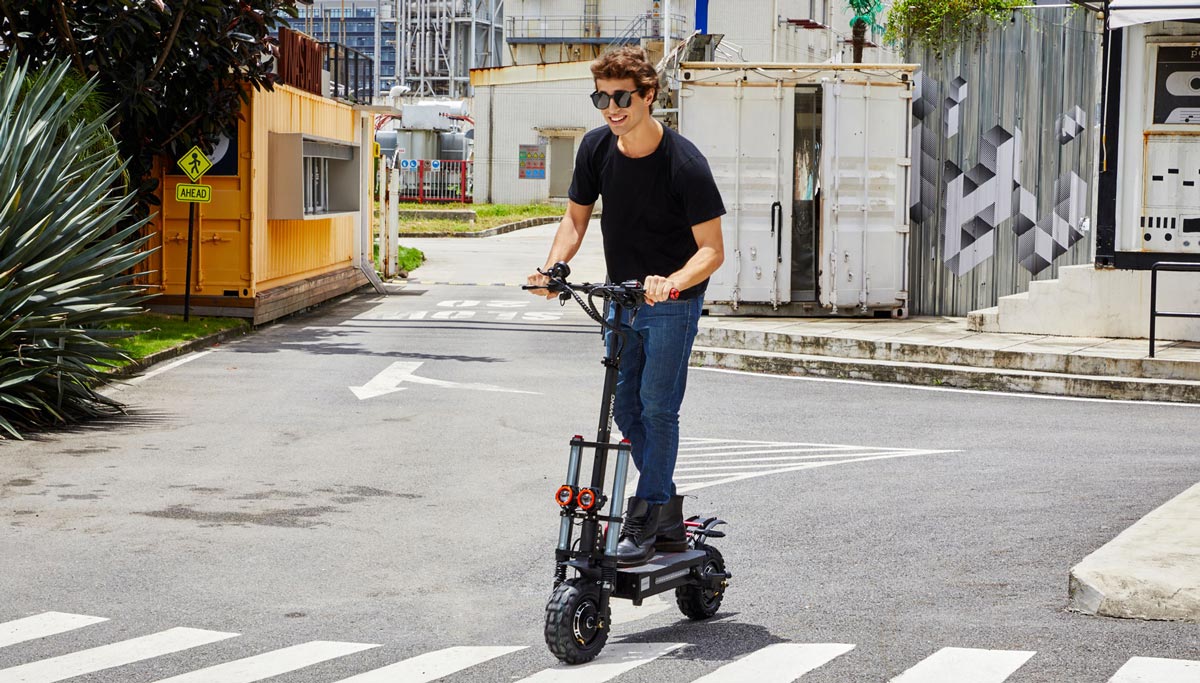
Navigating busy streets and avoiding traffic has never been easier with an electric scooter for city commuting. Whether you're commuting to work, running errands, or exploring your city, the right urban commuter electric scooter makes all the difference. Here’s what to look for and some of the best options available.
1. What Makes a Great City Commuter E-Scooter?
When choosing the best electric scooter for city use, consider these key features:
Portability – A lightweight and foldable scooter is ideal for carrying onto public transport or storing in small spaces.
Battery Life – Look for a scooter with a range of 15-30 miles per charge to cover daily commutes.
Speed & Performance – A scooter with 15-25 mph top speed is ideal for city travel.
Comfort & Suspension – Urban roads can be bumpy, so a scooter with good suspension and solid tires ensures a smooth ride.
Safety Features – Bright LED lights, disc brakes, and a sturdy frame enhance safety in city traffic.
2. Top Picks for the Best Urban Electric Scooter
If you’re looking for a reliable electric scooter for city commute, check out some of the best options:
Teewing GT4 – A high-performance e-scooter with excellent battery life and smooth acceleration.
Teewing Lightweight & Portable Scooters – Perfect for urban riders who need compact and efficient commuting solutions. Explore the full range here.
3. Benefits of Using an Electric Scooter for City Commuting
Beat Traffic – Scooters let you zip through congested streets and avoid delays.
Eco-Friendly Transportation – Reduce your carbon footprint with an energy-efficient ride.
Save Money – Avoid gas, parking fees, and public transport costs.
Convenient & Fun – Enjoy a hassle-free commute while experiencing the city in a new way.
4. Safety Tips for Urban Commuters
Wear a Helmet – Protect yourself during high-speed rides.
Use Bike Lanes – Whenever possible, stick to designated paths.
Stay Visible – Equip your scooter with bright lights and reflective gear.
Follow Local Regulations – Some cities have specific e-scooter laws, so always check before riding.
Final Thoughts
A best urban electric scooter is the perfect solution for hassle-free city commuting. Whether you’re a daily commuter or just looking for an easy way to explore the city, the right electric scooter for city commute can transform your travel experience. Check out Teewing’s lightweight and portable scooters for the best options!
Apr 17, 2025