


E-Scooters
Electric Scooter Displays: Why You Need One
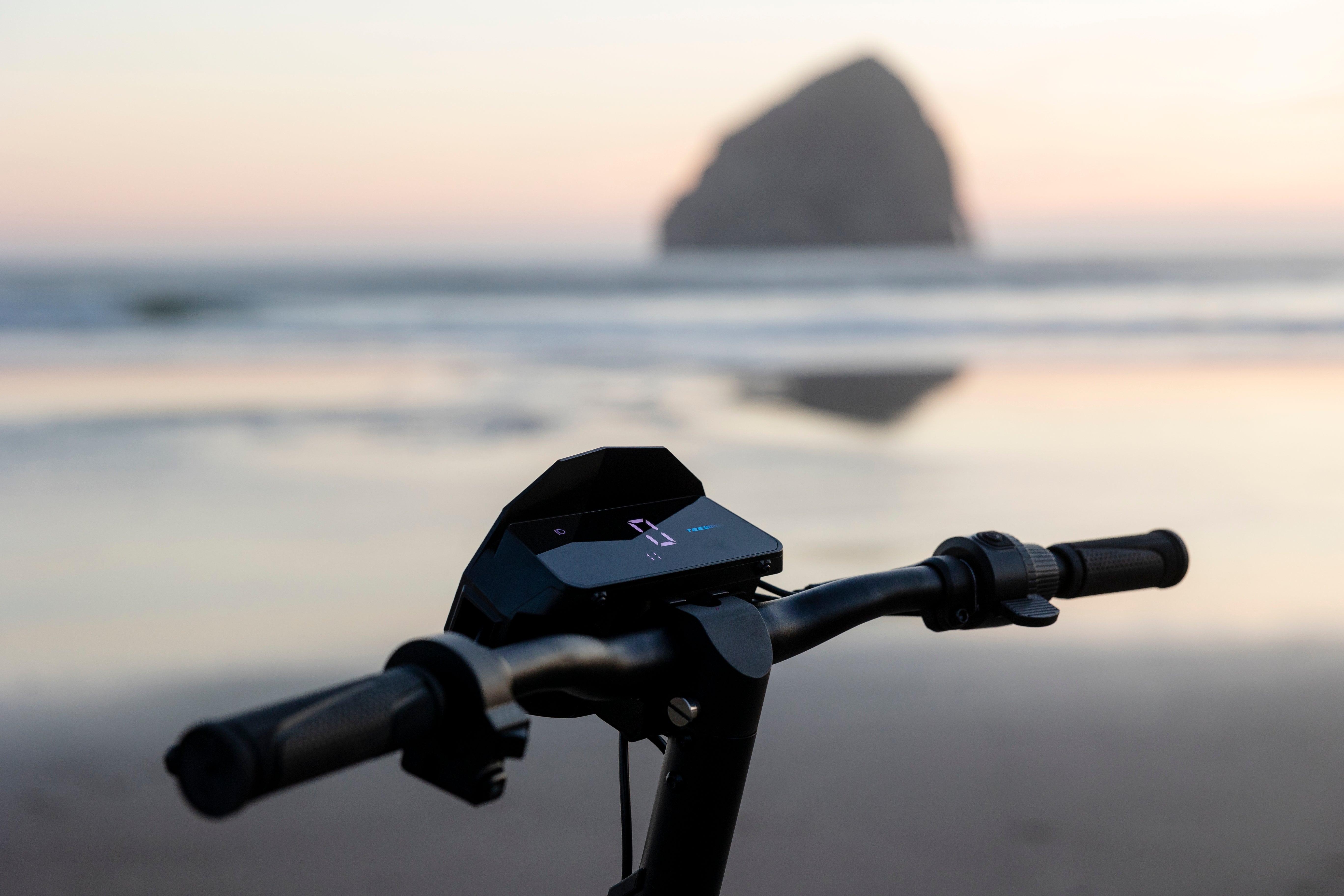
An electric scooter display is more than just a screen—it’s your control center on the go. Whether it’s an LCD display or an LED display, having a well-designed interface helps riders monitor speed, battery life, and ride settings with ease. Let’s explore the importance of electric scooter displays, the types available, and what to consider when choosing one.
Why an Electric Scooter Display Matters
A display screen on an electric scooter enhances both convenience and safety. Here’s why:
Speed Monitoring – Check your current speed to ensure safe riding.
Battery Status – Keep track of your charge level to avoid running out of power mid-ride.
Mileage Tracking – Some displays show trip distance and total mileage.
Ride Mode Selection – Adjust speed settings or switch between eco and sport modes.
Lighting & Indicators – Control headlights, turn signals, and other features.
Types of Electric Scooter Displays
1. LCD Displays
An electric scooter LCD display provides a crisp and clear readout, usually featuring:
Digital speedometer
Battery percentage indicator
Ride mode selection
Backlit screen for night visibility
2. LED Displays
An electric scooter LED display is often simpler but still effective. Common features include:
Bright and easy-to-read interface
Battery level indicators
Minimalist design for a sleek look
3. Smart Displays with App Connectivity
Some high-end scooters feature smart displays that sync with a mobile app, allowing riders to:
Track ride data via Bluetooth
Customize ride settings
Receive maintenance alerts
Choosing an Electric Scooter with a Display Screen
When selecting an electric scooter with a display screen, consider factors like brightness, readability in sunlight, and touchscreen capabilities. A high-quality electric scooter with an LCD display or an advanced LED screen ensures a smoother and safer riding experience.
Final Thoughts
An electric scooter display is essential for staying informed and in control while riding. Whether you prefer an LCD display for detailed stats or an LED display for simplicity, having a screen enhances safety and convenience. Choose an electric scooter with a display screen that meets your riding needs and enjoy a smarter, more connected ride!
Apr 17, 2025

Electric Scooter Helmets: Everything You Need to Know
Riding an electric scooter feels effortless, right up until your front wheel catches a pothole. That split second is why a properly fitted e-scooter helmet belongs on your head before you push off, whether you're commuting on a city scooter or opening up the throttle on a high-power model.
KEY TAKEAWAY
An e scooter helmet is any bike-style, skate-style, or full-face helmet rated to protect your head at riding speed, and wearing one is linked to a much lower chance of a serious head injury. Helmet laws depend on your state and your age, not on one national rule. The right helmet for you mostly comes down to how fast you ride and how much coverage you want.
Why an E-Scooter Helmet Matters More Than You'd Think
Electric scooters can hit 15 to 30 miles an hour, fast enough that a fall onto pavement can cause real harm. A large multicenter study on scooter, bike, and skate injuries found that helmet use was tied to nearly half the odds of a head injury among scooter riders¹. That's reason enough to spend the extra thirty seconds strapping one on correctly, since a knock that feels like "just a bump" can still cause a concussion.
Helmet Types That Work for Riding a Scooter
Not every helmet on the shelf is built the same way, and scooter riders really have three solid options.
Bike-style helmets are light, well-vented, and shaped for airflow. They suit casual, commuter riders sticking to bike lanes and city streets under 20 mph. Skate-style helmets sit lower and wrap further around the back and sides, which helps with the sideways low-speed falls common on a scooter, and many are rated for more than one impact.
Full-face and motorcycle-style helmets add chin and jaw protection, worth considering once you're riding a higher-powered scooter that can cross 25 to 30 mph, where a face-first fall is a different situation than a slow tip-over near a curb.
Helmet Laws for Riding an Electric Scooter
There's no single federal helmet law for e-scooters in the United States. Rules are set state by state, and sometimes city by city on top of that. Most states only require a helmet for riders under 18, a few set the age cutoff higher, and very few require one for every rider regardless of age. Local ordinances, especially for scooters rented through an app, can add stricter rules than the state itself, so don't assume your last trip's rule still applies once you cross a state or city line.
Scooter Helmet vs Bike Helmet: What's the Real Difference?
They can look almost identical on a store shelf, but the shape and testing behind them aren't the same. Bike helmets are built and tested around a single hard impact at speed, with a shell shaped for airflow. Skate-style helmets, which many riders reach for as their scooter helmet vs bike helmet pick, are tested for repeated lower-speed hits and cover more of the back of your skull.
For most riders cruising under 20 mph, a certified bike helmet does the job well. If you want extra coverage at the base of your skull, or you fall more than most riders, a dual-certified skate-style helmet is the stronger pick.
How to Measure Your Head for the Right Fit
Wrap a soft tape measure around your head about an inch above your eyebrows, keeping it level, then match the number in centimeters to the brand's size chart, since sizing runs slightly differently across manufacturers. If you land between sizes, size up and use the included fit pads to snug it down.
Once it's on, check the fit: about two fingers between your eyebrows and the helmet's front edge, side straps forming a Y just under each ear, and only one finger of space under the chin strap. If it rocks side to side when you shake your head, it's the wrong size, no matter what the tag says.
What to Look for When Buying an E-Scooter Helmet
A few things separate a helmet worth your money from one that just looks the part:
Certification. Look for a CPSC-certified label at minimum, the mandatory US federal bicycle helmet standard². Dual certification with ASTM F1492 adds skate-level, multi-impact testing.
Fit and weight. A heavier helmet gets uncomfortable fast on longer rides, so try it on rather than buying on size alone.
Ventilation. More vents mean a cooler ride, a fair trade-off for most commuters.
Visibility. Reflective strips or a built-in light strip matter if you ride at dusk or after dark.
Rotational-impact protection. Some helmets add a slip-plane liner that reduces twisting force on the brain during an angled fall. It costs more, but it's a genuine upgrade.
Replacement after impact. Replace any helmet that's taken a hard hit, even if the shell looks fine, since the foam inside absorbs energy once and doesn't reset.
A solid, certified helmet typically starts around $30 to $40 and climbs from there based on ventilation, weight, and added tech.
The bottom line is simple. Match the helmet type to how and where you ride, check your state's rules so you're not caught off guard, get the fit right using the steps above, and replace it the moment it takes a real hit. Gear up before your next ride, and take a look at Teewing's full lineup of electric scooters and safety accessories built for every kind of rider.
FAQs
Do you need a helmet for an electric scooter?
No federal law requires it, but most states require one for riders under 18. Even where it isn't required, it's strongly recommended, since it's tied to a much lower risk of serious head injury¹.
What's the difference between an e-scooter helmet and a bike helmet?
Bike helmets are built for a single hard impact at speed and shaped for airflow. Skate-style e-scooter helmets sit lower, cover more of the back of the head, and are often tested for multiple lower-speed hits, which fits the falls common on scooters.
What certification should an e-scooter helmet have?
At minimum, CPSC certification, the mandatory US federal standard for bicycle-style helmets². A helmet also rated to ASTM F1492 adds skate-level, multi-impact protection.
How do I know what size helmet to buy?
Measure around your head an inch above your eyebrows with a soft tape measure, then match the number in centimeters to the brand's size chart. If you're between sizes, size up and adjust with the included fit pads.
Can I use a regular bike helmet for my e-scooter?
Yes, for casual riders under about 20 mph. If you ride a higher-powered scooter, fall often, or want more rear-head coverage, a skate-style or full-face helmet is the better match.
Footnotes
A multicenter study on sport-related head injuries found helmet use associated with lower odds of head injury among scooter riders (adjusted OR 0.53, 95% CI 0.33–0.86). Source: "Helmet Use in Preventing Head Injuries in Bicycling, Snow Sports, and Other Recreational Activities and Sports," Pediatrics, American Academy of Pediatrics, 2022. https://publications.aap.org/pediatrics/article/150/3/e2022058878/188764/Helmet-Use-in-Preventing-Head-Injuries-in
CPSC bicycle helmets are regulated under 16 CFR Part 1203, the mandatory federal safety standard for bicycle-style helmets sold in the US. Source: U.S. Consumer Product Safety Commission, "Bicycle Helmets Business Guidance." https://www.cpsc.gov/Business--Manufacturing/Business-Education/Business-Guidance/Bicycle-Helmets
Sep 03, 2026

Do You Need a License for an Electric Scooter? Laws, Rules & Requirements
Somebody's always got a cousin who swears you need a motorcycle license to ride an electric scooter, and somebody else insists you don't need anything at all. Both of them are sort of right, depending on where you live. The real answer comes down to your state, your scooter's speed and power, and sometimes your age. Here's what actually determines whether you're riding legally.
Key Takeaway
Short version. Do you need a license to drive an electric scooter? For most riders in most states, no, as long as the scooter stays under roughly 750 watts and 20 mph. A handful of states, California among them, require at least a permit. The real deciding factor almost everywhere is your scooter's power and speed, not some blanket national rule.
Do You Need a License for an Electric Scooter?
Do you need a license to drive an electric scooter? In the large majority of states, no. Regulators generally treat a low-power electric scooter, one that tops out around 20 mph and stays under 750 watts, more like a bicycle than a motor vehicle. That means no license, no registration, and no insurance in most places. Push past that threshold though, and the picture changes fast. A scooter built for real speed can slide into "motor-driven cycle" or moped territory in some states, which brings license and registration requirements right back into play. So does your electric scooter need license paperwork? Mostly it comes down to wattage and top speed, not the word "scooter" printed on the box.
A Few States Worth Knowing
Most states follow the bicycle-like model above, but a handful stand out:
California: requires at least a learner's permit or driver's license to ride an electric scooter on public roads (under CVC § 21235), with speed capped at 15 mph.
Pennsylvania: current motor vehicle rules generally mean electric scooters can't be titled, registered, or ridden on public roads or sidewalks at all.
Delaware: restricts electric scooters in a similar way to Pennsylvania.
Everywhere else: falls somewhere between "ride freely" and "check your city's specific rules," common enough that it's worth a look before you buy.
Quick Reference: Electric Scooter Rules at a Glance
Here's whether your electric scooter need license, registration, or a helmet, at a glance.
Requirement
Typical Rule (Most States)
Where It Differs
License
Not required
California and a handful of others require a permit or license
Registration
Not required
Most states skip this for low-power scooters entirely
Minimum Age
16
Some states set it at 14; rental apps usually require 18
Helmet
Required under 18
A few states require helmets for every rider, regardless of age
Top Speed Allowed
Around 20 mph on roads/bike lanes
Ranges roughly 15 to 25 mph by state
Sidewalks
City/local decision
Banned in many big cities, New York among them; allowed in plenty of smaller towns
Age, Speed, and Safety Requirements
Three factors decide whether you're riding legally, more than any single state law does =on its own:
Minimum age: 16 is the most common floor nationally, though a few states set it at 14, and rental services like shared scooter apps usually require 18 regardless of state law.
Helmets: most states only require one if you're under 18, and just a small number mandate helmets for every rider, adults included.
Speed: staying near the common 20 mph ceiling keeps you inside the no-license category almost everywhere. A scooter built to hit 40-plus mph starts crossing into vehicle classifications most riders never think to check.
Speed matters for more than paperwork too. NCSL, citing federal injury data, notes that roughly 63% of scooter injuries happen on roadways versus 29% on sidewalks¹, one more reason to actually know your local speed and route rules before riding.
Where Can You Actually Ride?
Roads and bike lanes: the default in most states, generally on streets posted under 25 to 35 mph.
Sidewalks: the messier question. Some states leave it entirely to individual cities, several major cities (New York among them) ban sidewalk riding outright, and plenty of smaller towns allow it without issue.
There's no single national answer here, so checking your specific city's rule beats assuming what worked in your last town still applies.
Which Teewing Scooters Keep You License-Free?
If staying in the no-license, no-registration category matters to you, stick with a scooter that comfortably sits under the common 20 mph and 750-watt thresholds:
Teewing X6: tops out at 15 mph on a 250-watt motor, well inside that range in nearly every state.
Higher-performance models, ours or anyone else's, built for speeds well past 20 mph are the ones most likely to trigger a state's license or registration rules. Check the specific model's specs against your state's threshold, not just the word "scooter" on the listing.
Browse Teewing's full electric scooter lineup to compare models by speed and power before you buy. Weighing a moped instead of a scooter? That's a different rulebook entirely and worth checking separately before you decide.
FAQs
Are there any street legal electric scooters?
Not in the same sense as a car or motorcycle, since standard electric scooters aren't built with turn signals, mirrors, or the equipment full road-legal vehicles need. That said, low-power scooters, generally under 750 watts and 20 mph, are legally allowed on roads and bike lanes in the large majority of states without needing that extra equipment, because they're classified more like bicycles than motor vehicles. "Street legal" for a scooter really means "permitted where you're riding it," not "built like a car."
Can you ride an electric scooter on sidewalks and roads?
Roads and bike lanes, generally yes, especially on streets posted under 25 to 35 mph. Sidewalks depend entirely on where you are. Some states leave it up to individual cities, several major cities ban it outright, and plenty of smaller towns allow it without issue. Check your specific city's rule, since state law alone won't give you the full picture.
Do you need to register an electric scooter?
In most states, no, as long as it falls under the low-power threshold states use to define a scooter rather than a motor vehicle. A small number of states require registration for higher-power models, so it comes back to your scooter's specs and your state's cutoff, not a blanket rule.
Is a helmet required to ride an electric scooter?
Usually only if you're under 18. Most states set helmet requirements for minors and leave it optional for adults, though a small number of states require helmets for every rider regardless of age. Wearing one is a good idea either way, given how many scooter injuries involve head impacts.
What's the difference between an electric scooter and an electric moped for licensing purposes?
Speed and power, mostly. A standard electric scooter under about 750 watts and 20 mph usually needs no license at all. An electric moped runs faster and more powerful, closer to a small motorcycle, and typically does require registration, insurance, and a license or permit in most states. If a "scooter" you're looking at claims speeds well past 20 mph, it may legally function more like a moped than a scooter, license requirements included.
Footnotes
National Conference of State Legislatures (NCSL), citing federal CPSC injury data: approximately 63% of electric scooter injuries occur on roadways versus 29% on sidewalks. https://www.ncsl.org/transportation/states-roll-out-electric-scooter-laws?maptype=tile
Sep 03, 2026

How to Lock an Electric Scooter: The Complete Security Guide
Most lock guides stop at "buy a U-lock." That's not wrong, but it skips the part that actually matters: which locks resist which attacks, why the technique matters as much as the lock itself, and how to match your setup to where you're actually parking. Here's the deeper version.
Key Takeaway
How to lock up an electric scooter properly comes down to three things: a lock rated to resist the tools thieves actually use, run through the frame (not just a wheel) to a genuinely fixed object, cinched tight with no slack. Skip any one of those three and the other two matter a lot less.
Lock Security Ratings Actually Mean Something
Before comparing lock types, it helps to know that locks get independently tested for exactly this. Sold Secure (Gold, Silver, Bronze) and ART (rated 1 to 4 stars) are the two certification systems most manufacturers submit locks to, and they test resistance against bolt cutters, angle grinders, picking, and prying under timed conditions. A Sold Secure Gold or ART 3-star lock has actually been forced to survive an attack in a lab, not just marketed as "heavy duty." When two locks look similar but one carries a real rating and the other doesn't, that rating is the more reliable signal.
Lock Types, Matched to What They Actually Resist
The best way to lock an electric scooter starts with picking a lock type that resists what thieves actually bring:
U-locks
Hardened steel shackle, resists bolt cutters and most hand tools well. A double-locking mechanism (shackle secured at both ends, not one) specifically defeats the common "twist and snap" attack against cheaper single-lock designs. Rigid, so less backpack-friendly.
Chain locks
Hardened steel links in a fabric sleeve, close to U-lock security if the links are thick enough, more flexible for awkward anchor points. Heavier to carry.
Folding locks
Hardened steel plates hinged together, a solid middle ground, more reach than a U-lock with better resistance than a cable.
Cable locks
Fine as a secondary lock through a wheel, never as your only lock. A standard cable folds to hand tools in seconds, which is why every serious guide treats it as a backup, not a primary.
Disc locks
Clamp onto the brake disc to stop the wheel from turning. Good deterrent layer, but it doesn't anchor the scooter to anything, so it won't stop someone from just carrying it off.
The Correct Technique, Step by Step
How to lock up an electric scooter properly is mostly about sequence, and it answers the follow-up question just as directly: How do you properly lock up an electric scooter in public? Here's the order that works, and why each step matters:
Find a genuinely fixed object, a bike rack, ring-and-post, or cemented pole. Skip thin signposts (can be lifted over), wooden posts, and chain-link fencing (can be cut faster than your lock).
Run the lock through the main frame, not just a wheel. Wheels detach. Frames don't.
If your scooter folds, lock the folding mechanism too, or a thief can collapse and carry the whole thing away with the wheels still "secured."
Cinch the lock tight, minimal slack. Empty space inside a shackle is exactly what a thief uses to fit a tool or apply leverage.
Position the lock off the ground with the keyhole facing down. Harder angle to attack, harder to hammer against pavement.
Building Your Setup by Scenario
A locking setup that's fine for a five-minute coffee stop is not enough for overnight street parking. For a quick stop, one solid U-lock or folding lock through the frame to a rack covers it. For a full workday or overnight, layer two lock types, a U-lock or chain as primary, plus a cable or disc lock as a secondary through the wheel, since defeating two different mechanisms takes real time most opportunistic thieves won't spend. In a known high-theft area, add a hidden GPS tracker on top of the two-lock setup and skip parking there overnight entirely if you have another option.
Extra Layers Worth Knowing
A GPS tracker, an AirTag hidden in the deck is the common approach, is a recovery tool, not a deterrent. It won't stop a theft, but it dramatically improves the odds of getting the scooter back, and it should always be paired with a real lock, never used alone. A few other tactics worth stacking on top:
GPS tracker (e.g., an AirTag hidden in the deck): won't stop a theft, but dramatically improves the odds of recovery. Always pair with a real lock, never use alone.
Built-in alarms and app-based locks: add friction for a thief, though alarms left armed for extended storage can drain the battery, worth checking before a long trip.
Removable battery or display: taking it with you removes some of the resale value that makes theft worth it in the first place.
Real theft data backs the basic lock-type hierarchy up. Colorado State University's campus security office found a clear pattern in reported bike thefts on campus¹:
63% involved a cable lock
25% involved a U-lock
12% had no lock at all
Security researchers see the same pattern with scooters, since thieves use the same tools against both.
Whatever combination you land on, the best way to lock an electric scooter is the setup you'll actually use every single time, not just when you remember to.
For a lock built specifically for Teewing scooters, check the accessories page for options that fit your model.
FAQs
What is the best type of lock for an electric scooter?
A U-lock or hardened chain lock with a Sold Secure Gold or ART rating, run through the frame to a fixed object. Cable locks are fine as a secondary lock but shouldn't be your only one, they're the type most commonly defeated in real theft reports.
How do you properly lock up an electric scooter in public?
Anchor it to a genuinely fixed object, run the lock through the frame rather than just a wheel, lock the folding mechanism if your scooter has one, and cinch everything tight with no slack. Skipping any of those steps gives a thief an easy opening even with an expensive lock.
Are lock security ratings worth checking before buying?
Yes. Sold Secure and ART ratings mean the lock was actually tested against real tools like bolt cutters and angle grinders under timed conditions, not just marketed as strong. Two locks can look identical and perform very differently.
Does a heavier lock automatically mean better security?
Not always. Weight often correlates with thicker, harder steel, but a poorly designed heavy lock can still lose to a well-placed tool. A rated lock in the right weight class beats an unrated lock that's simply heavy.
Should I remove my scooter's battery or display when locking it up in public?
If they're easily removable, yes, especially for longer stops. It won't stop someone from attempting theft, but it reduces resale value and can make your scooter a less appealing target compared to one that's ready to ride away.
Footnotes
Colorado State University Campus Safety and Security, "U-Locks Help Deter Bike Theft on Campuses." Of bike thefts reported on Main Campus, 63% involved a cable lock, 25% involved a U-lock, and 12% were unlocked. Cited here for bicycles specifically, but the same lock-type vulnerability pattern applies to scooters since thieves use the same tools against both. https://source.colostate.edu/u-locks-help-deter-bike-theft-on-campuses/
Sep 03, 2026

Can You Bring an Electric Scooter on a Plane? Complete Travel Guide
Here's the answer nobody wants to hear before a trip: most electric scooters can't fly as passenger baggage at all, carry-on or checked. It's not about airline mood or how nicely you ask at the gate. It comes down to a number most riders have never checked, the watt-hour rating on their battery, and for the majority of real-world scooters, that number is too high. Here's exactly why, how to check your own scooter, and what your actual options are.
Key Takeaway
Can you take an electric scooter on a plane? For most scooters, no. FAA rules ban any lithium-ion battery over 160 Wh from passenger aircraft entirely, carry-on or checked, and most electric scooters run 200 to 3,000+ Wh to deliver real-world range. A small number of low-capacity, short-range models squeak in under that limit with airline approval. Checking your exact battery's Wh rating, not just asking whether scooters are allowed, is the only way to actually know.
Can You Take an Electric Scooter on a Plane? The Real Answer
For most riders, honestly, no, and it's worth knowing that before you pack instead of finding out at the gate. The FAA caps lithium-ion batteries on any passenger aircraft at 160 watt-hours (Wh), full stop, no carry-on exception, no checked-bag workaround¹. Most electric scooters built for real range carry batteries well above that, commonly 200 Wh on the low end and into the thousands for performance models. A scooter on plane trip only works if your specific battery happens to fall under that ceiling, which is the exception, not the rule.
Major US airlines explicitly restrict recreational e-scooters as a result:
Delta
United
American
Southwest
The Battery Math That Decides Everything
Every lithium-ion battery lands in one of three categories:
Under 100 Wh: generally travels fine without special airline approval.
100 to 160 Wh: the airline has to approve it first, and it's carry-on only, capped at two spare batteries per person.
Over 160 Wh: banned outright, cabin or cargo hold, no exceptions for recreational devices.
That number sounds abstract until you run the math on an actual scooter. A battery rated at 36 volts and 5 amp-hours, a genuinely common spec for a compact commuter model, works out to 180 Wh, already over the line. Bigger, longer-range scooters climb into the hundreds or low thousands of watt-hours, nowhere close to flying as luggage.
Quick Reference: Lithium Battery Limits for Air Travel
Battery Size
Allowed on Passenger Flights?
Where
0-100 Wh
Generally yes
Carry-on, and checked if the device itself is approved
101-160 Wh
Only with airline approval
Carry-on only, max 2 spares per person
Over 160 Wh
No
Neither carry-on nor checked, no exceptions
Spare, uninstalled batteries of any allowed size must always travel in carry-on, never in a checked bag.
Are Any Electric Scooters Exempt?
A couple of categories work differently. Medical mobility scooters used by passengers with disabilities fall under separate rules, sometimes allowing higher capacities with advance notice to the airline, since they're treated as assistive devices rather than recreational gear. Small children's scooters and a handful of purpose-built travel-sized models with genuinely small batteries can land under the 100 or 160 Wh lines too. Standard adult commuter and performance scooters almost never do.
What to Do Before You Fly
Find your battery's Wh rating on the label or spec sheet. If it only lists volts and amp-hours, multiply them together.
Photograph the label as proof, gate agents may ask to see it.
Call your specific airline well before your trip and get their policy in writing if you can, since airlines are allowed to be stricter than FAA rules, never more lenient.
If your battery is over 160 Wh, stop planning around flying with it and look at shipping or a rental at your destination instead.
Shipping a Scooter Instead of Flying With It
If your scooter's battery is too large to fly with you, shipping it separately by air freight follows a different set of hazardous materials rules than passenger baggage, and requirements vary by carrier. Contact the specific airline or freight company directly to confirm what they'll accept and how the battery needs to be packaged before you ship anything. Passenger rules and cargo shipping rules don't always match.
Planning a scooter on a plane trip? Checking the exact Wh rating on the spec sheet before you plan around it beats guessing. Browse Teewing's electric scooter lineup to compare battery specs across models if you're shopping for one.
FAQs
Can you put a scooter in checked luggage?
Only if the battery is under 160 Wh and your airline specifically approves it, and plenty of airlines don't accept electric scooters as checked baggage at all regardless of battery size. If the battery is removable, it typically has to travel with you in the cabin either way, not in the checked bag.
Can you bring an electric scooter battery on a plane?
Within limits. A battery under 100 Wh generally travels fine in carry-on. Between 100 and 160 Wh, you need airline approval and it has to stay in carry-on, limited to two spares. Over 160 Wh, it can't fly at all, carry-on or checked, which rules out most standard e-scooter batteries.
What is the watt-hour limit for e-scooter batteries on planes?
160 Wh is the hard ceiling on any passenger flight. Below 100 Wh generally needs no special approval. Between 100 and 160 Wh needs the airline's sign-off first. Anything above 160 Wh is banned outright under FAA rules, and no airline can override that upward.
Can airlines refuse to let you bring your scooter even if the battery qualifies?
Yes. The FAA sets the outer boundary, but each airline sets its own policy within it, and plenty of airlines choose not to accept electric scooters as baggage at all, even ones with technically compliant batteries. Confirming with your specific airline before you travel is the only way to know for sure.
Can you ship an electric scooter by air freight instead of flying with it?
Often, yes, but it follows separate hazardous materials shipping rules rather than passenger baggage rules, and requirements differ by carrier. Contact the airline or freight company directly to confirm what they require before you ship.
Footnotes
Federal Aviation Administration, PackSafe: "Portable Recreational Vehicles Powered by Lithium Ion Batteries." Lithium-ion batteries exceeding 160 Wh are prohibited on passenger aircraft as carry-on or checked baggage; batteries over 100 Wh require airline approval. https://www.faa.gov/hazmat/packsafe/portable-recreational-vehicles
Sep 03, 2026

Best Electric Scooters for College Students: How to Choose the Right One
College is one long test of how fast you can get from a 9 a.m. lecture to a lab across campus. A car needs a permit you probably can't afford and a spot you'll never find. Walking eats your whole passing period. An electric scooter splits the difference, which is why they've become a fixture on campus sidewalks. Here's what actually matters when picking one, plus two Teewing models worth a look.
Key Takeaway
Short version. The best electric scooters for college students balance three things: weight you can actually carry up a dorm stairwell, a price that survives a tuition bill, and a top speed that matches what your campus actually allows. A featherweight commuter model covers most students' day-to-day needs. Something faster and longer-range only makes sense if your commute stretches well past the quad.
Why Electric Scooters Are Ideal for College Students
Parking is where this decision usually gets made for you. Annual student permits run several hundred dollars at plenty of schools, and climb past $1,300 a year at pricier campuses like the University of Washington¹. An electric scooter for college students skips that fee entirely, along with the daily hunt for a spot that doesn't exist. It beats walking too. A 20 minute walk across a sprawling campus turns into a five minute ride, sweat-free before an 8 a.m. class. Fold it up and it fits under a dorm bed or in a closet, no bike rack, no lock left outside overnight.
Key Factors to Consider
A few things matter more than raw horsepower when shopping for an electric scooter for college students:
Weight. Stay under 30 lbs if you're carrying it up stairs, ideally closer to 20.
Top speed. Most campuses cap wheeled devices around 10 to 15 mph on internal paths, so anything near that range covers real campus riding.
Range. 10 to 15 miles handles a full day of class-to-class trips.
Price. Weigh it against what you're actually saving on parking and gas.
Foldability. It should collapse flat enough for a locker, closet, or under a desk.
Charge time. A few hours beats an overnight charge.
Top Picks for College Students
Teewing X6: The Lightweight Pick
At 22 lbs and $399, the X6 is about as close to a backpack as an electric scooter gets, and it's the model most students should start with.
Weight: 22 lbs
Top speed: 15 mph
Range: 12 miles per charge
Charge time: 3 to 4 hours
Price: $399
Plenty for getting between classes and back to the dorm, and it folds small enough to slide under a desk during a lecture.
Teewing GT4: For Longer Commutes
The GT4 is a different animal, worth mentioning mainly because it gets asked about a lot. Fair warning, this one isn't the lightweight pick.
Weight: 88 lbs
Top speed: up to 43.5 mph (tested closer to 42.3 mph)
Range: up to 43.5 miles (tested closer to 34.5 miles)
Charge time: roughly 11 to 12 hours
Price: $949
If you live off campus and your commute stretches well beyond the quad, the extra range and speed can genuinely make sense. If your only trip is dorm to lecture hall, stick with the X6, you'll just be carrying an extra 66 lbs for nothing.
Which One Should You Choose?
For most students, honestly, the best electric scooters for college students question comes down to distance. Living on campus or a short walk off it? Grab something light like the X6 and stop thinking about parking altogether. Commuting from further out, or want one scooter for both campus and weekend trips? The GT4's extra range and speed earn its extra weight.
Browse Teewing's lightweight and portable electric scooters for something built for the daily campus grind, or check the Teewing X6 and Teewing GT4 pages directly. Still deciding? Compare Teewing scooters side by side before you buy.
FAQs
What is the ideal electric scooter speed for college campuses?
Around 10 to 15 mph covers most campus paths, roughly the range schools cap wheeled devices for pedestrian safety. A scooter rated faster isn't a problem, you just won't use the extra speed until you're off campus. Check your school's mobility policy before you buy, since rules vary a lot campus to campus.
Is an electric scooter worth it for college?
For most students, yes. A $400 scooter pays for itself against a single year of campus parking at plenty of schools, and it cuts a 20 minute walk down to five. Most worth it if you live on or near campus without a bike already.
How much does a good electric scooter for college cost?
A solid lightweight model for daily campus use runs $300 to $500. Faster, longer-range models built for a mixed campus-and-city commute run closer to $800 to $1,000.
Can you ride an electric scooter on campus?
Most campuses allow it, though many require registration or restrict exactly where you can ride, sidewalks versus bike lanes versus streets. Check your school's transportation or public safety page before your first ride.
How do I keep my electric scooter from getting stolen on campus?
Fold it and take it inside whenever you can. A scooter locked outside a lecture hall for an hour is an easy target. If you have to leave it, use a real lock instead of the flimsy cable that ships in the box, somewhere with foot traffic and cameras.
Footnotes
WOSU Public Media, "How much does it cost to park on Ohio State University's campus? The answer is complicated," August 2024. Cites University of Washington's student parking permit at $1,350/year, among the highest nationally. https://www.wosu.org/news/2024-08-16/how-much-does-it-cost-to-park-on-ohio-state-universitys-campus-the-answer-is-complicated
Sep 03, 2026

Moped vs Electric Scooter: Which Should You Choose?
Ask five people what separates a moped from a scooter and you'll get five answers, maybe six. Pedals come up. So does speed. Someone always just shrugs and asks if they're not basically the same thing. They're not. Throw a dirt bike and a few electric versions into that mix and the whole conversation gets messier fast. We'll sort out what actually separates a moped, an electric scooter, and a dirt bike below, then help you land on the one that fits how you actually get around.
Key Takeaway
Short version. A moped seats you and gets registered like a small motorcycle. An electric scooter stands you up, and in a lot of cases you can buy one and ride it home that same afternoon, no DMV stop required. That's the real difference between moped and scooter models, and most people don't realize how much it matters until they're standing in line for a license plate.
What Is a Moped?
Picture a small motorcycle that skips the full motorcycle license requirement. That's basically a moped. Seated, two wheels, an engine under 50cc or an electric motor putting out similar power, and a top speed that never really breaks 35 mph no matter the brand ¹.
A few models still bother with pedals, a leftover from the days when a stalled engine meant pedaling the rest of the way home. On paper, states don't treat it much differently from a car. Insurance in most places. Bring a driver's license or a moped permit, or you're not riding it home. ¹
What Is an Electric Scooter?
Flip that image. An electric scooter puts you on your feet, hands on the bars, a battery doing the work gas used to do. Fold it flat and it disappears under a desk or into a trunk, which a moped is never going to manage. This category also covers a genuinely wide range, from a 25 lb commuter model light enough to carry up a flight of stairs to an off-road build heavy and fast enough to make a moped look slow. Most scooters stay under the speed and power numbers that would legally classify them as a motor vehicle, which is the whole reason a DMV visit usually isn't part of the deal. ²
Where Does a Dirt Bike Fit In?
Dirt bikes don't really belong in this conversation, except people keep bringing them up. Fine. A dirt bike is a seated, off-road motorcycle built for trails and motocross tracks, and commuting was never part of the design brief. Knobby tires, long suspension travel, an engine anywhere from 50cc to 450cc, or an electric equivalent strong enough to leave a moped eating dust on a straight stretch of dirt ⁴. Riding one to work legally is a different problem entirely. It's missing mirrors, turn signals, and a proper plate, the basics any road-legal vehicle needs, so riding it on the street is illegal unless you convert it ³. Even a converted bike still gets registered and insured like a motorcycle.
Moped vs Electric Scooter vs Dirt Bike: Side-by-Side Comparison
Feature
Moped
Electric Scooter
Dirt Bike
Design
Seated, motorcycle-style frame, sometimes with pedals
Stand-up deck and handlebars, often foldable
Seated, off-road frame with knobby tires
Top Speed
Around 30 to 35 mph
Roughly 15 to 68 mph depending on the model
40 to 80+ mph off-road
Motor Power
Up to about 4kW, or a 50cc gas engine
250W on entry models up to 10,000W on dual-motor performance scooters
50cc to 450cc gas, or an electric equivalent
Portability
Low, parks and stores like a small motorcycle
High, many models weigh 22 to 135 lbs and fold flat
Low, needs a truck bed or trailer to transport
Comfort
Seated, better for longer rides
Stand-up, best for short-to-mid commutes
Seated, built for terrain, not pavement comfort
Range
30 to 80 miles per tank or charge
12 to 88 miles per charge
Limited by tank size, refuels in minutes
Charging / Refueling
Gas fills in minutes, electric takes hours
3 to 4 hours for lightweight models, up to 8 to 14 hours for extended-range performance models
Gas fills in minutes, electric takes hours
Legal Requirements
License, registration, and insurance
No license for standard road use, check local rules
Not street legal without a full conversion
Typical Cost (New)
$1,000 to $3,000+
$400 to $3,400+
$1,500 to $10,000+
Best For
Seated commutes on public roads
Daily commuting, last-mile travel, and recreation
Off-road trails and motocross
Weight, speed, and range figures for electric scooters come straight from Teewing's current lineup, everything from the 22 lb foldable X6 to the 132 lb, 68 mph Mars XTR.
How Speed and Motor Power Compare
This is where the moped vs electric scooter question actually gets interesting. A moped's top speed is basically fixed, capped around 30 to 35 mph by state law no matter what badge sits on the fender. Scooters ignore that rule entirely. A budget commuter model might struggle past 15 mph, sure, but strap two motors onto a performance scooter and it'll blow past 60, landing it in moped or even light-motorcycle territory on raw power alone. Just without the seat, and without the plate.
Portability and Comfort
A moped park. It doesn't travel with you. You need a driveway, a garage, something. An electric scooter folds and rides the subway with you. That trade-off runs both directions, though. Sit down on a moped for twenty minutes and you'll barely notice the ride. Stand on a scooter deck for that same twenty minutes and your legs will let you know about it.
Range, Charging, and Ongoing Costs
Gas mopeds fill up in five minutes at any station on the corner. Electric versions of either one need a real charge instead, figure 3 to 4 hours for a lightweight commuter scooter and closer to 8 to 14 hours for the largest extended-range batteries. This is where scooters actually pull ahead long term regardless of charge time. Skip the gas, skip the oil changes. The insurance bill doesn't show up either, not in most states anyway.
The Difference Between Moped and Scooter Ownership
If one thing decides which of these actually fits your life, it's the paperwork, not the price tag. States want a moped titled, registered, and insured before it ever touches the road, plus a license or permit in your wallet. Electric scooters get treated more like bicycles almost everywhere, which is why someone can buy one in the morning and be riding it home by lunch ². One catch. These rules shift by state, sometimes by city block. Check yours before you commit to either, and a state-by-state moped law guide is a decent place to start.
Which One Should You Choose?
So how does the moped vs electric scooter decision actually shake out? For most people, honestly, the electric scooter wins. Comparable speed on the higher-end models, a fraction of the ownership cost, zero insurance premiums, and something light enough to carry inside instead of leaving it out overnight. A moped still makes sense if you'd rather sit down and squeeze more range out of one charge than dodge a DMV visit. Dirt bikes stay in their own lane here, built for trails and not traffic, and swapping one in for a daily commute just doesn't work.
Leaning toward a scooter? Browse Teewing's full electric scooter lineup and find something that fits your commute, your budget, and how you actually ride. City streets and bike lanes are where Teewing's commuter-friendly scooters shine. Chasing trails, gravel, or backcountry paths instead? Look at Teewing's off-road electric scooters. Still torn between models? Compare Teewing scooters side by side before you check out.
FAQs
Are scooters and mopeds the same thing?
No, and the mix-up is understandable. A moped seats you and caps out around 30 to 35 mph under state law. A scooter puts you on your feet, steering from handlebars instead of straddling a frame. Most of the confusion actually traces back to gas-powered "scooters" you'll see for sale, which behave a lot more like small mopeds than anything electric.
What's the difference between a moped and a scooter?
Mostly seating, speed, and paperwork. A moped sits you down, caps your speed around 30 to 35 mph, and comes with registration and a license requirement attached. An electric scooter stands you up, covers a much wider speed range, and usually skips that licensing process entirely, provided you stay under your state's threshold for road use. That's the difference between moped and scooter ownership, boiled down.
Do I need a license to ride an electric scooter?
No, not for a standard electric scooter, as long as its speed and power stay below the threshold that would classify it as a moped or motorcycle instead. Some cities set a minimum rider age or limit where scooters can operate. Check your local traffic code before your first ride.
Is a dirt bike street legal?
Not without real work first. Dirt bikes show up missing the mirrors, turn signals, horn, and plate that public roads require, which makes riding one on the street illegal until you convert it. Even after conversion, you're still registering and insuring the bike like a motorcycle.
Which is cheaper to own, a moped or an electric scooter?
An electric scooter, and it's not really close. A moped comes with registration renewals, insurance premiums, and either gas or regular maintenance stacking up. Most electric scooters skip registration and insurance altogether, and a full charge costs pennies compared to a tank of gas.
Footnotes:
State by State Guide to Moped Laws, Sheehan Law — https://attorneysheehan.com/state-by-state-guide-to-moped-laws-in-2022/
Electric Scooter Laws by State, Levy Electric — https://www.levyelectric.com/resources/electric-scooter-laws-by-state-complete-guide
How To Make a Dirt Bike Street Legal, CarParts.com — https://www.carparts.com/blog/how-to-make-a-dirt-bike-street-legal-quickref/
Dirt Bike Engine Sizes Guide, DirtBikeRoundup — https://dirtbikeroundup.com/Dirt-Bike-Engine-Classes.html
Sep 03, 2026

Riding Tips
Must-Have Electric Scooter Accessories and Add-Ons
Electric scooters have surged in popularity in recent years, offering a convenient, eco-friendly way to commute or simply enjoy a weekend ride. But to truly maximize your ride, adding the best electric scooter accessories can elevate comfort, safety, and performance. Whether you're a daily commuter or a casual rider, the right add-ons can enhance your experience dramatically.
In this article, we’ll explore the best accessories for electric scooter users from essential safety gear to smart tech upgrades. These electric scooter add-ons not only personalize your ride but also make it safer and more enjoyable. If you're looking to level up your scooter game, these are the must have scooter accessories you need in your arsenal.
The top electric scooter accessories generally fall into four categories: safety gear, security tools, comfort upgrades, and tech add-ons. Few must have electric scooter accessories that don't need to be expensive to make a real difference in how safe and comfortable your rides feel.
Helmet: Safety First, Always
Let’s start with the most critical accessory: a helmet. No matter how smooth or short your ride is, wearing a helmet is non-negotiable for your safety. Look for helmets specifically designed for scooters or cycling, which offer good ventilation, a snug fit, and solid impact protection. Bonus points if it comes with integrated lights for visibility.
Phone Mount: For Navigation and Hands-Free Use
A reliable phone mount is one of the must have scooter accessories, especially if you use your phone for GPS or music. A good mount should secure your phone firmly without scratching it, and offer adjustable angles for easy viewing. Some even come with shock-absorbing capabilities, ideal for bumpy roads.
Portable Lock: Anti-Theft Protection
Theft is a real concern for scooter owners, and a portable lock is one of the best electric scooter accessories to prevent theft. U-locks, cable locks, and folding locks are popular options to secure your e-scooter against theft. Choose one that’s lightweight, weather-resistant, and easy to store while you ride.
Most opportunistic scooter theft takes place in under a minute¹, and locking through the main frame rather than just the wheel or handlebar stem makes a scooter far harder to take.
Front and Rear Lights: Be Seen, Stay Safe
Most electric scooters come with basic lighting, but upgrading to aftermarket front and rear lights can significantly boost your visibility. Look for USB-rechargeable LED lights with multiple brightness settings and long battery life. Visibility is crucial—especially if you ride in low-light conditions. If you ride a Teewing model, the Headlight for Electric Scooter X3/X4/X5 is a direct-fit upgrade worth checking first.
Handlebar Bag or Storage Box
One of the more practical electric scooter add-ons is a handlebar bag or rear-mounted storage box. These are perfect for carrying everyday essentials like keys, wallets, chargers, snacks, or even a small toolkit. Many are waterproof and offer quick-release systems for convenience.
Suspension Seat: Comfort Upgrade
Long rides can strain your back and joints, especially on rough terrain. Installing a suspension seat post or a foldable seat on your electric scooter is one of the best add-ons for comfort. These seats absorb shocks and vibrations, providing a smoother, more enjoyable ride—ideal for commuters who spend a lot of time on their scooter.
Scooter Cover: Protection from the Elements
If you park your scooter outside or in a dusty garage, a scooter cover is a game-changer. Waterproof, UV-resistant covers protect your scooter from rain, sun, dust, and rust. Some even come with lock holes so you can secure your scooter while it’s covered.
Turn Signals and Brake Lights
Built-in lights are not always enough to signal your intentions to drivers and pedestrians. Aftermarket turn signals and brake lights are not only great electric scooter add-ons, but they can prevent accidents and make you more confident on busy streets. Look for wireless systems that are easy to install and control.
Handlebar Mirrors: Boost Your Awareness
Handlebar mirrors give you eyes on the back of your head, almost literally. These are among the most overlooked but must have scooter accessories, especially if you commute in traffic. Adjustable and shatterproof mirrors enhance your situational awareness without taking your eyes off the road.
Tire Slime and Portable Pump: Flat Prevention
Nothing kills the vibe of a scooter ride like a flat tire. Tire slime is a sealant that automatically seals small punctures as they happen, giving you peace of mind on your journeys. Combine it with a portable air pump or electric inflator, definitely one of the best electric scooter accessories for long-distance riders.
Horn or Bell: Make Yourself Heard
A loud horn or bell can prevent accidents by alerting others to your presence. Whether you're zooming through a park or navigating busy sidewalks, an audible warning system is an essential electric scooter add-on. Electronic horns with varying sound levels are a popular choice among modern riders.
Seat Attachment: Optional But Useful
Some scooters allow for seat attachments, transforming them into mini mopeds. If you have a long commute or back problems, this is one of the best accessories for electric scooter riders who prioritize comfort. Look for padded, foldable models that are compatible with your scooter’s design.
Smart Display and Speedometer
While many scooters have basic speed displays, upgrading to a smart display with Bluetooth connectivity, trip tracking, and battery analytics can provide more insight into your ride. This is one of the best electric scooter accessories for tech-savvy users who love data. Teewing's own Display for Electric Scooter is a straightforward, compatible option if you're upgrading an existing Teewing model.
Reflective Stickers or Tape
Enhance your scooter’s visibility by adding reflective stickers or tape to the sides, wheels, or deck. This budget-friendly electric scooter add-on is especially useful if you ride at dawn, dusk, or nighttime. Plus, it adds a personalized touch to your ride.
Waterproof Gloves and Weather Gear
If you ride in changing weather conditions, having waterproof gloves and a rain poncho is a smart move. Gloves with grip pads improve control in wet conditions, while ponchos keep you dry without restricting movement.
Bluetooth Speaker or Helmet with Built-In Audio
Want music on the go? Consider a Bluetooth speaker or a helmet with built-in audio. These let you enjoy music or take calls hands-free, without compromising your awareness of the surroundings. Just make sure you keep the volume at a safe level.
Electric scooters are already a great way to get around—but with the right accessories, they become even better. From safety essentials like helmets and lights to smart tech upgrades like phone mounts and displays, these must have scooter accessories can transform your everyday ride into a personalized and enjoyable experience.
Whether you're looking to boost safety, convenience, or style, investing in the top electric scooter accessories is well worth it. Don't settle for the basics, explore electric scooter add-ons that fit your lifestyle and riding needs. And remember, riding smart means riding safe. Building your must-have electric scooter accessories list one item at a time, starting with safety, is a practical way to upgrade your ride without overspending all at once.
Ready to gear up? Explore top-quality electric scooters for adults and accessories at Teewing to make your ride safer, smarter, and more stylish today.
FAQs
What are essential scooter accessories?
The essentials most riders reach for first are a helmet, front and rear lights, and a portable lock, since these cover safety, visibility, and security in one go. From there, a phone mount and a storage bag round out the basics for daily commuting.
How can I protect my electric scooter from theft?
A quality lock is the starting point, ideally looped through the main frame rather than the wheel or handlebar stem, since most opportunistic theft takes place in under a minute¹ when a scooter is left unsecured or only loosely locked. Parking in well-lit, visible areas and bringing removable items like lights or a phone mount with you also cuts down on easy targets.
What are the best electric scooter accessories for safety?
A helmet is the non-negotiable starting point, followed by front and rear lights for visibility and a horn or bell so you can alert pedestrians and drivers. Reflective stickers or tape add a low-cost layer of protection for riding at dawn, dusk, or night.
What visibility gear should I add to my electric scooter?
USB-rechargeable front and rear LED lights are the biggest upgrade for visibility, especially with multiple brightness settings for different conditions. Reflective tape on the deck or wheels and a helmet with built-in lights add extra visibility without much cost or effort.
What are the best comfort-enhancing accessories for long rides?
A suspension seat or foldable seat attachment makes the biggest difference on longer rides, since it takes the strain off your back and joints on rough terrain. Padded grips and a handlebar bag for essentials round out a more comfortable, commute-ready setup.
Aug 03, 2025

E-Scooters
How Far Can an Electric Scooter Go? Best Electric Scooters for Travel
Electric scooters have revolutionized urban commuting and travel, offering an eco-friendly and efficient mode of transportation. A common question among enthusiasts and commuters alike is: How far can an electric scooter go on a single charge? This guide delves into the factors influencing electric scooter range and highlights top models suitable for long-distance travel.
On average, electric scooter distance ranges from 15 to 25 miles for entry-level commuter models up to 80+ miles for high-end long-range scooters, depending on the battery, terrain, and how you ride. Knowing your typical trip length is the fastest way to figure out how much range you actually need.
Understanding Electric Scooter Range
The distance an electric scooter can cover on a single charge varies based on several factors:
Battery Capacity: Measured in watt-hours (Wh), a higher capacity typically translates to a longer range.
Motor Power: More powerful motors may consume more energy, affecting range.
Rider Weight: Heavier riders can reduce the scooter's range due to increased energy demand.
Terrain and Inclines: Hilly or uneven terrains require more power, decreasing range.
Speed and Riding Mode: Higher speeds and aggressive riding modes consume more battery.
Weather Conditions: Cold temperatures can diminish battery performance.
Because so many variables affect electric scooter distance, the range printed on a spec sheet is really a best-case number rather than a guarantee. For a personalized estimate of your scooter's range, consider using tools like the Electric Scooter Range Calculator.
Average Ranges by Scooter Type
Scooter Type
Approximate Range per Charge
Entry-Level Commuter
15–25 miles (24–40 km)
Mid-Range Performance
25–40 miles (40–64 km)
High-End Long-Range
40–80+ miles (64–129+ km)
These ranges are general estimates; actual performance may vary based on the factors mentioned above.
Top Electric Scooters for Long-Distance Travel
For those seeking scooters capable of covering extensive distances, here are some top recommendations:
Teewing Long-Range Electric Scooters: A collection of scooters designed for extended travel, combining power and efficiency.
Teewing MARS XTR 10000W Dual Motor Electric Scooter: Equipped with a robust 10000W dual motor, this model offers impressive range and speed, suitable for long journeys.
Apollo Long-Range Models: Known for their durability and performance, Apollo scooters are ideal for riders seeking extended range capabilities.
Tips for Maximizing Your Scooter's Range
To get the most out of your electric scooter's battery:
Maintain Optimal Tire Pressure: Properly inflated tires reduce rolling resistance.
Ride at Moderate Speeds: Consistent, moderate speeds consume less energy.
Use Eco or Power-Saving Modes: These settings limit power output, conserving battery life.
Avoid Frequent Stops and Starts: Smooth acceleration and deceleration are more energy-efficient.
Charge Regularly: Keeping the battery charged prevents deep discharges, which can degrade battery health. For daily use, keeping the pack roughly between 20% and 80% charged is widely recommended to slow long-term wear¹
Planning for Extended Trips
For those considering longer journeys or even camping trips with their electric scooters, proper planning is essential. Ensure you have access to charging stations or portable chargers, and consider the terrain and weather conditions of your route. For more detailed guidance, refer to our blog on Planning Your Electric Scooter Road Trips and Camping.
Electric scooters offer a versatile and sustainable mode of transportation, capable of covering impressive distances on a single charge. By understanding the factors that influence range and selecting the right model for your needs, you can confidently embark on longer journeys. Explore our collection of long-range electric scooters to find the perfect companion for your travels.
FAQs
How far can an electric scooter go on a full charge?
On a full charge, most electric scooters cover 15 to 25 miles for entry-level commuter models, 25 to 40 miles for mid-range scooters, and 40 to 80+ miles for high-end long-range models. Actual distance depends on rider weight, terrain, speed, and riding mode.
Does riding at higher speeds reduce an electric scooter's range?
Yes. Riding at higher speeds and in more aggressive modes draws more power from the battery, which shortens how far you can go on a single charge. Sticking to a moderate, steady speed in Eco or a power-saving mode is one of the simplest ways to stretch your range.
How much range do I actually need in an electric scooter?
Match the range to your actual trip length rather than the highest number on a spec sheet. A daily commute under 10 miles round trip is comfortable on an entry-level scooter with some buffer left over, while longer commutes, errands, or recreational rides call for a mid-range or long-range model so you're not cutting it close every time.
How should I manage my battery to protect my electric scooter's range over time?
Keep the battery between roughly 20% and 80% for daily use instead of running it down to empty or leaving it at full charge for long periods, since both extremes accelerate wear¹. Charge after most rides, use the charger that came with your scooter, and store it in a cool, dry place if it will sit unused for a while.
What should I look for when buying an electric scooter for long-distance range?
Beyond battery capacity, look at motor efficiency, rider weight capacity, and terrain compatibility, since a scooter rated for 40 miles in ideal lab conditions may deliver noticeably less on hills or in cold weather. Our electric scooter buying guide breaks down these factors by scooter category if you want a fuller comparison.
Apr 17, 2025

E-Scooters
How Fast Can Electric Scooters Go? Speed & Riding Modes Guide
Electric scooters have become a popular choice for urban commuting and recreational riding. A common question among enthusiasts is: How fast can electric scooters go? This guide delves into the top speeds of various models and explains how different riding modes can influence your scooter's performance.
How fast do electric scooters go? Most models cover 15 to 30 mph for everyday commuting, and high-performance builds can push past 60 mph. Electric scooter top speed depends mainly on motor power, battery voltage, rider weight, and the riding mode selected
Electric Scooter Top Speeds
Electric scooters come in a range of speeds to cater to different needs:
Commuter Scooters: Typically, these scooters have top speeds between 15–30 mph (24–48 km/h), making them ideal for daily urban travel.
Mid-Range Scooters:typically reach 30 to 40 mph, giving riders more power than a commuter model without stepping into performance territory.
High-Performance Models: For thrill-seekers, certain models push the boundaries:
The Inmotion RS boasts a top speed of 68 mph (110 km/h).
The Slack Core 920R reaches up to 90 mph (145 km/h), positioning it among the fastest e-scooters available.
It's essential to note that local regulations may impose speed limits on electric scooters. For instance, in some cities, exceeding certain speeds may require registration or licensing. In fact, most U.S. states cap public-road speeds for electric scooters at roughly 15 to 20 mph¹, so a model's advertised electric scooter top speed often exceeds what's legally rideable on public streets.
Understanding Electric Scooter Riding Modes
Most electric scooters offer multiple riding modes to accommodate various preferences and conditions:
Eco Mode: Prioritizes energy efficiency, extending battery life by limiting speed and acceleration.
Standard/Drive Mode: Balances speed and battery consumption, suitable for regular commuting.
Sport Mode: Maximizes performance, offering higher speeds and quicker acceleration, albeit with increased battery usage.
Some advanced scooters also feature modes like SmartEco™, which dynamically adjust performance for optimal efficiency. Switching between modes is one of the simplest ways to adjust your electric scooter's top speed without changing any hardware.
Tips to Enhance Your E-Scooter's Speed
If you're looking to get the most out of your electric scooter's speed capabilities:
Regular Maintenance: Ensure tires are properly inflated and the scooter is well-maintained to reduce drag.
Battery Health: A fully charged and healthy battery can deliver optimal performance.
Weight Management: Reducing the load can help achieve higher speeds.
Software Updates: Some scooters receive firmware updates that can enhance performance.
Always prioritize safety and adhere to local laws when attempting to increase your scooter's speed.
Final Thoughts
Understanding the speed capabilities and riding modes of electric scooters can help you choose the right model for your needs. Whether you're commuting in the city or seeking high-speed thrills, there's an electric scooter out there for you.
For those interested in high-performance models, explore our collection of fastest electric scooters. Notably, the Mars XTR 10000W Dual Motor Electric Scooter offers exceptional speed and power for the ultimate riding experience.
Not sure which model fits your riding style? Compare specs side by side on our electric scooter comparison page, or check out our guide on how far an electric scooter can travel on a single charge if range matters as much as speed.
FAQs
How fast do electric scooters go?
Electric scooters typically travel between 15 and 30 mph for commuter models, while high-performance builds like the Inmotion RS or Slack Core 920R can reach 68 to 90 mph. Actual speed depends on the motor, battery, rider weight, and terrain.
What is the average speed of an electric scooter?
Most riders see an average speed of around 15 to 20 mph on daily commuter scooters, since these models prioritize battery range and stability over raw speed. Mid-range and performance scooters push that average considerably higher.
What motor power is needed to reach higher speeds?
Reaching speeds above 40 mph usually calls for higher-wattage dual-motor setups, since a single small motor struggles to deliver enough torque at higher speeds. That's why performance-focused models tend to pair large batteries with dual motors rated well into the thousands of watts.
What determines an electric scooter's top speed?
Motor power, battery voltage, rider weight, terrain, and the selected riding mode all affect an electric scooter's top speed, and adjusting any one of them can shift real-world performance by several mph. Sport mode and a lighter load will generally get you closest to a scooter's rated maximum.
Is it legal to ride a fast electric scooter on public roads?
It depends on local regulations. Most U.S. states cap public road speeds for electric scooters at 15 to 20 mph, regardless of the scooter's maximum capabilities. Exceeding local limits can result in fines or vehicle reclassification. Our scooters feature multiple riding modes, allowing riders to cap their speed to match local traffic laws. Users are responsible for selecting the legal speed mode and obeying all local regulations.
Apr 17, 2025